

Expert Training
Design of Experiments
Plan experiments strategically, analyse factors and derive robust settings.
- 4Modules
- 63Learning videos
- 39Knowledge checks
- 12Practical exercises
- 1Online exam
Why participate?
Plan experiments efficiently and assess influencing factors reliably
What you gain from the training
Define experimental variables
Clearly define the response, factors, levels and noise factors before the first experimental run.
Validate effects
Use hypothesis tests and variance analyses for reliable statements on differences.
Select experimental designs
Select full-factor and partial-factor designs to match the question and available effort.
Optimise models
Model relationships, optimise settings and verify the results with confirmation runs.
Programme content
Select a module
Module 1
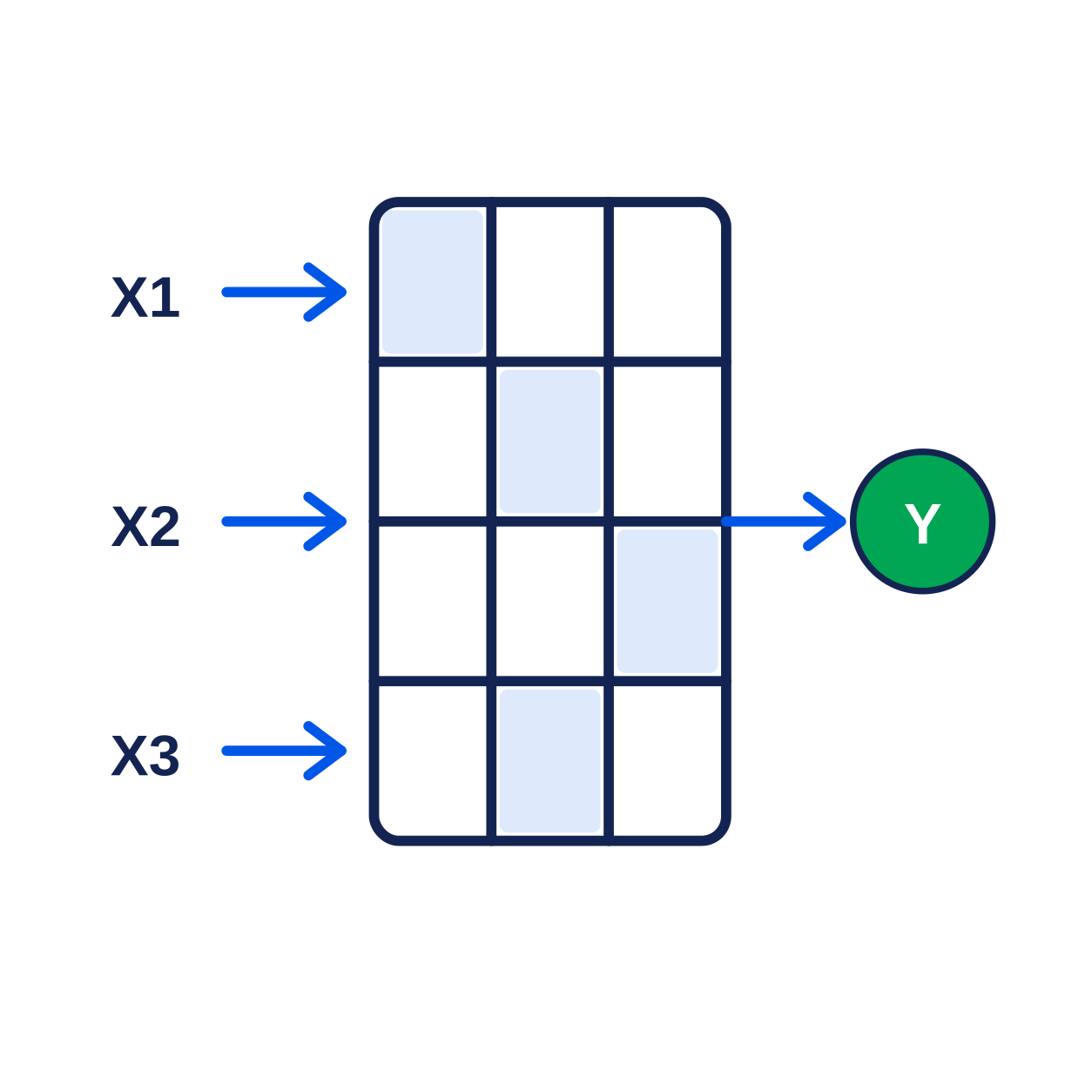
Fundamentals of experimental design and statistical thinking
- Understand the purpose and benefits of statistical experimental design
- Distinguish factors, noise factors and response variables systematically
- Assess data quality, the measurement system and basic DoE strategies
- Structure a technical question into factors, levels and responses
Module 2
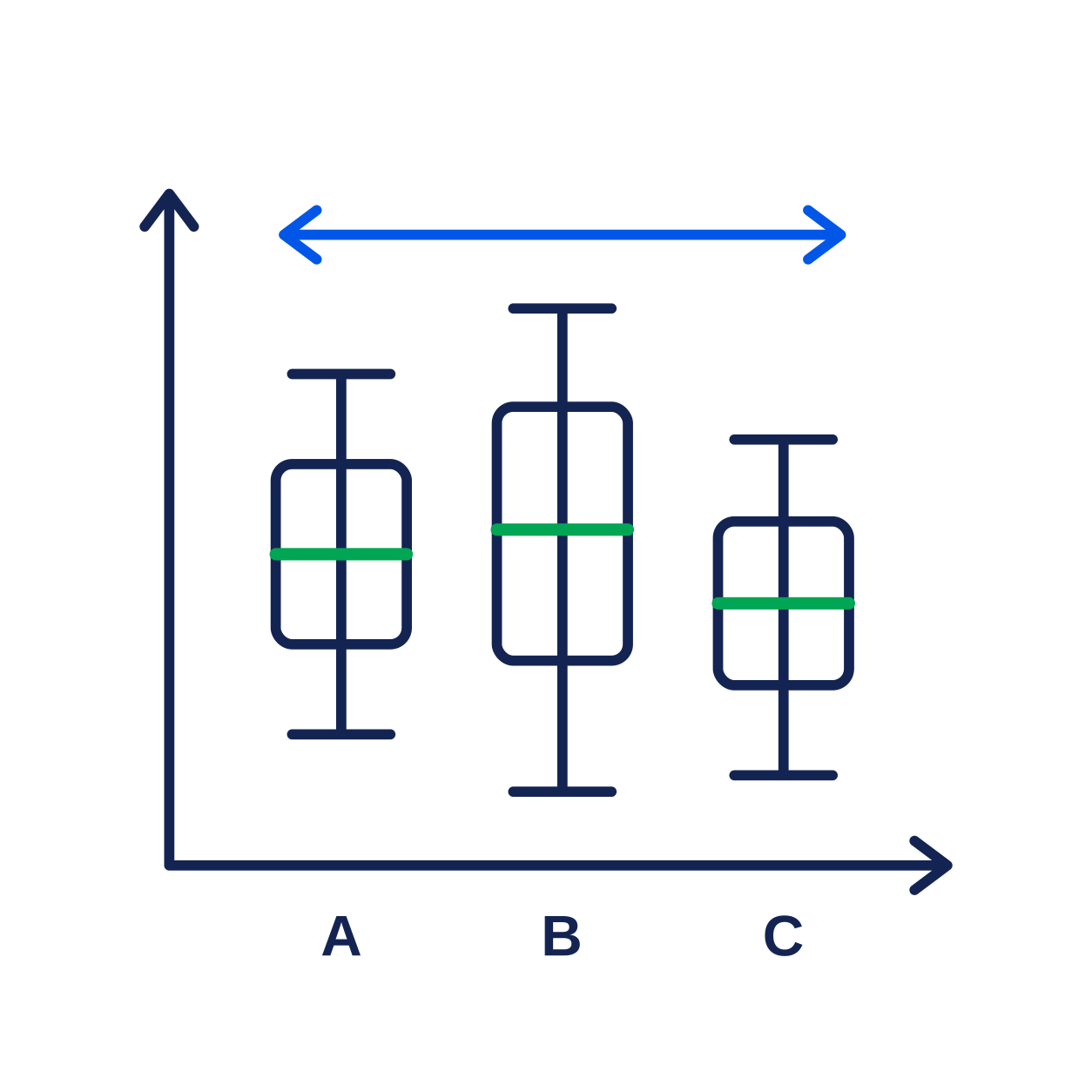
Hypothesis tests and variance analyses
- Classify hypotheses, statistical errors and significance level
- Interpreting t-tests and p-values for mean value comparisons
- Use variance analysis for multiple groups and influencing variables
- Compare technical settings with a suitable hypothesis test
Module 3
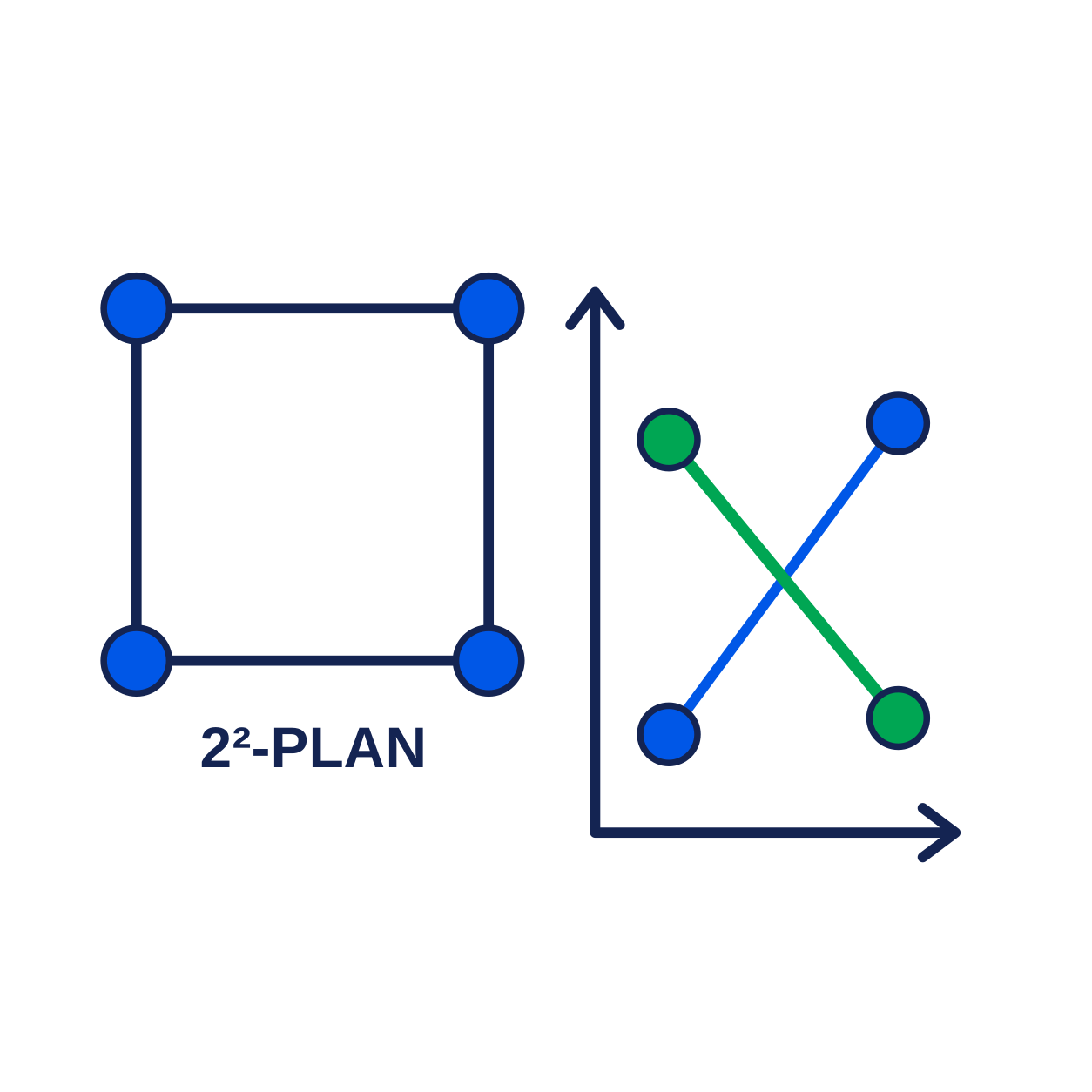
Factorial designs and screening strategies
- Build full and partial factor experimental plans
- Graphically and statistically assess main effects and interactions
- Use screening designs to select relevant factors
- Create and analyse a factorial design in Minitab
Module 4
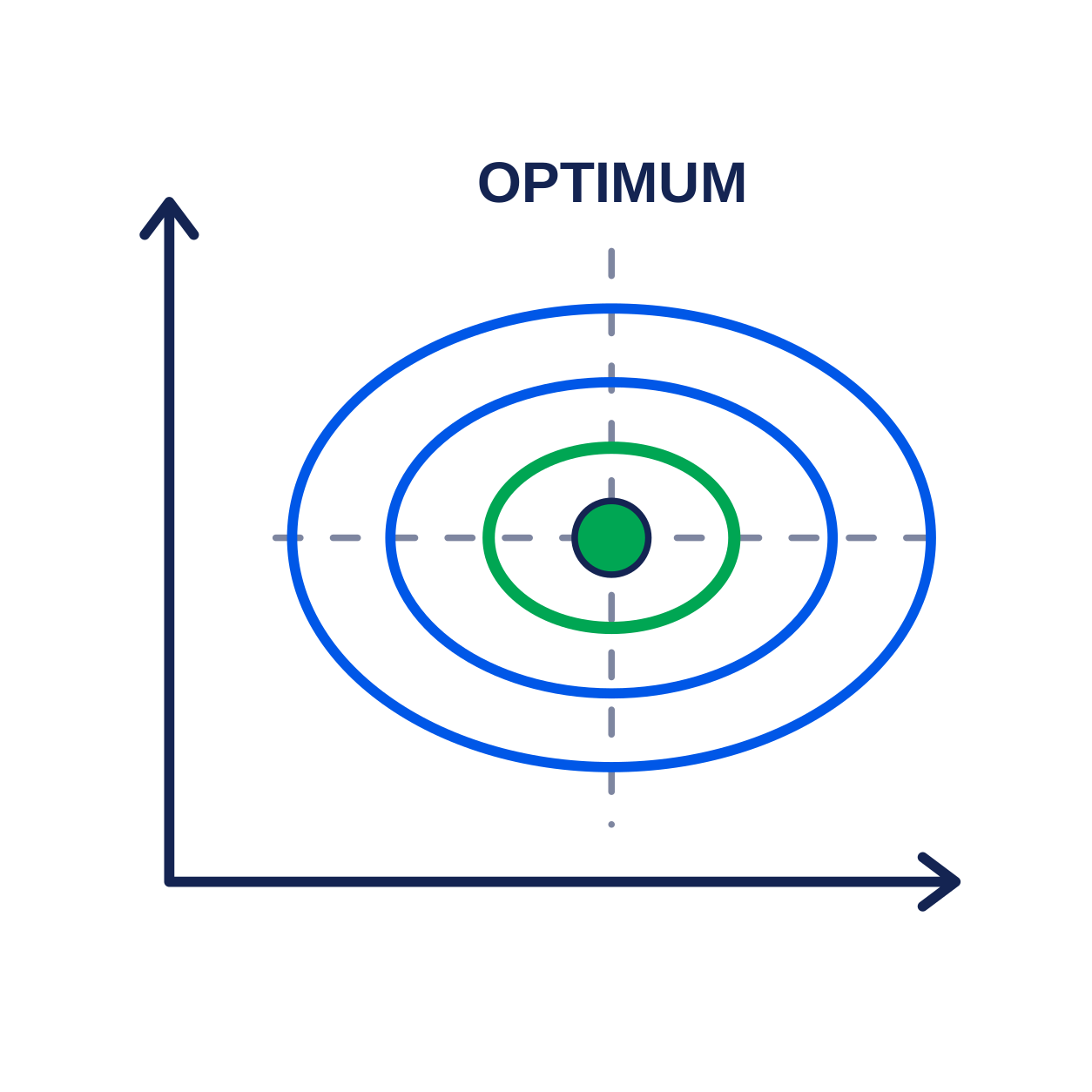
Modelling, Optimisation and Robust Design
- Identify nonlinearities and validate experimental models
- Classify response surface, central composite and D-optimal designs
- Derive and confirm optimised and robust settings
- Optimise an experimental model and verify the prediction with a confirmation run
What the training includes
Live online or in person
No prerequisites
With planned trials
With expert certificate
Learning objectives
You learn this in expert training
You apply the content through exercises and case studies from Reliability Engineering.
- Clearly define the experimental objective, factors, levels, noise factors and responses
- Select and interpret hypothesis tests and variance analyses for technical comparisons
- Create full and fractional factorial designs and screening strategies
- Evaluate main effects, interactions and model fit statistically
- Optimise models, derive robust settings and verify them with confirmation runs
Practice
Typical tasks in statistical experimental design and optimisation
- Many potential factors
Using a screening plan, identify the relevant factors.
ProblemA product feature can be influenced by numerous material, geometry and process parameters.
Solution in the training- Select factors and stages for an efficient screening plan.
- Statistical evaluation of main effects and relevant interactions.
- Unclear process window
Build and optimise a model for several process parameters.
ProblemMultiple settings simultaneously affect quality, dispersion and process stability.
Solution in the training- Check nonlinearity and model quality before optimisation.
- Derive a robust setting within the studied area.
- Contradictory single factor tests
Recognise interactions and confirm a model prediction.
ProblemSuccessively changed factors provide results that cannot be reproduced under other settings.
Solution in the training- Examine factors together and make interactions visible.
- Secure predicted setting with an independent attempt.
Target group
Which areas of reliability do you work in?
Technical decisions & test effort
- Assess experimental effort and strength of evidence for technical decisions.
- Understand the scope and limitations of an experimental design.
- Base decisions on statistically validated effects and models.
- Technical project management
- Product management
- Testing responsibility
Development and construction
- Systematically investigate influencing variables and interactions in the product.
- Derive factors, levels and responses from the technical task.
- Develop robust settings instead of relying on isolated one-factor experiments.
- Product development
- Construction
- Systems engineering
Quality & Testing
- Plan experiments efficiently and validate effects statistically.
- Use randomisation, blocking and replication appropriately.
- Evaluate main effects, interactions and model quality in a comprehensible way.
- Quality
- Test engineering
- Validation
Process & Production
- Optimise process windows and confirm robust settings.
- Identify relevant process parameters with screening plans.
- Verify optimised settings through independent confirmation runs.
- Process development
- Production
- Industrial engineering
Exam and certification
Path to certification
4Modules
63Learning videos
39Knowledge checks
12Practical exercises
Online exam
Certificate
The qualification
Certified Reliability Expert – Design of Experiments
- Certified Reliability Expert – Design of Experiments
- Certificates of participation for modules completed through RelTest Education
- Qualification equivalent to Certified Reliability Engineer level
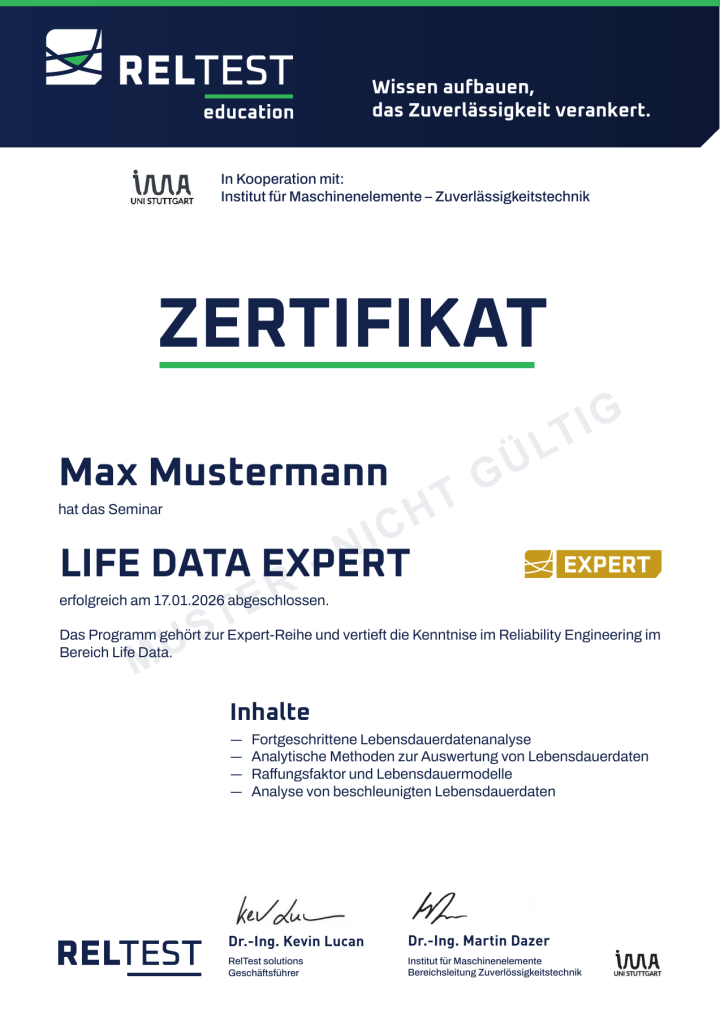
The Certified Reliability Expert – Design of Experiments certificate is issued in cooperation with the University of Stuttgart.
Details
Services and price
Included in the programme
- Learning scope4 modules, 63 learning videos, 39 knowledge checks and 12 practical exercises
- AccessOnline learning platform for web and mobile; dates and format by arrangement
- DocumentationDigital seminar materials and media library
- QualificationOnline examination and Certified Reliability Expert – Design of Experiments certificate in cooperation with the University of Stuttgart
- Prerequisites
- None. You can start the training directly.
- Learning pace
- Live online or in-person training. The date and format are agreed with participants. Materials and the exam are provided through the online learning platform.
- Technology
- Access via PC, tablet or smartphone. Minitab is required for the exercises; a trial licence is sufficient.
FAQ
Frequently asked questions about the programme
Answers about prerequisites, course format, technical requirements and qualification.
What prior knowledge do I need?
There is no formal prerequisite. Basic statistical knowledge and experience with measurement data and technical factors are helpful.
How does Expert Training take place?
The training is available live online or in person. The date and format are agreed with participants. Materials and the exam are provided through the online learning platform.
What software do I need?
A PC, tablet or smartphone is sufficient to access the learning platform. Minitab is required for the exercises; a trial licence is sufficient.
How does the exam work?
The online exam takes place directly via the learning platform.
What certificate do I receive?
After successful completion, you receive the Certified Reliability Expert – Design of Experiments certificate. It is issued in cooperation with the University of Stuttgart.
Next step
Does the Expert Training – Design of Experiments fit your task?
We will discuss whether the content and format suit your experiments, factors or team.